
Heritage Lighting Design
Lighting Design That Respects Heritage, Enhances Architecture and Preserves Character
Heritage lighting projects require a careful balance between respecting historic fabric and delivering modern lighting performance. At Lumenata, we understand the unique challenges of working within listed buildings, churches and historic sites, where sensitivity, discretion and technical accuracy are essential. Our lighting designs enhance architectural detail, improve usability and support the ongoing life of heritage spaces without compromising their character or significance.
Our approach combines conservation-led thinking with modern lighting expertise and careful consideration of heritage, planning, environmental and operational requirements. Whether the aim is to improve visibility for worship, reveal architectural features or adapt a historic space for contemporary use, our designs focus on longevity, visual comfort and respectful integration.
Heritage Lighting Designed with Respect for Historic Fabric
Historic buildings require lighting that responds carefully to their architecture, materials, significance and continued use. A successful scheme should improve visibility and flexibility without allowing modern equipment to dominate the character of the space.
Lumenata provides sensitive heritage lighting design for listed buildings, churches, cathedrals, museums and other historic environments. We combine creative design with technical coordination, developing solutions that reveal architectural detail, support contemporary activities and minimise unnecessary intervention in historic fabric.
What an Effective Heritage Lighting Scheme Should Deliver
A considered heritage lighting design should:
Respect the character, fabric and significance of the building
Provide appropriate illumination for current activities and users
Reveal important architectural details without overwhelming them
Position luminaires and equipment as discreetly as possible
Minimise physical intervention in historic materials and finishes
Support visual comfort and reduce uncomfortable glare
Provide flexibility for services, events, exhibitions and community use
Use appropriate light colour, distribution and intensity
Improve energy efficiency without compromising the atmosphere of the space
Use straightforward controls suited to the people operating the building
Consider maintenance access and long-term replacement requirements
Coordinate with conservation, planning and technical requirements
Protect sensitive objects, materials and finishes where relevant
Every heritage building has its own architectural character, historical significance and practical constraints. We therefore develop each scheme around the individual building rather than applying a standard lighting solution.
Heritage Buildings and Spaces We Can Support
Our heritage lighting design services can support:
Listed buildings and scheduled historic sites
Churches, chapels and cathedrals
Museums, galleries and exhibition spaces
Historic houses and country estates
Libraries, archives and cultural buildings
Civic buildings and public heritage assets
Hotels and hospitality venues within historic properties
Period residential properties
Converted and repurposed historic buildings
Architectural façades and external heritage settings
Historic gardens, courtyards and pedestrian routes
Community buildings and multi-use places of worship
Our involvement can range from improving the lighting within one important room to developing a coordinated interior and exterior lighting strategy for a substantial heritage building.
Understanding Historic Significance and Existing Fabric
Before developing a lighting scheme, it is important to understand which architectural features, materials and spaces contribute to the significance of the building. This information helps determine where equipment can be positioned and where new interventions should be avoided.
We review the available heritage information alongside the architectural and operational brief. Existing fixing points, electrical routes and previous alterations may provide opportunities to introduce new lighting without unnecessarily disturbing original fabric.
Where specialist conservation advice is required, we work with the architect, conservation professional and wider project team to develop an appropriate response.
Minimal Intervention and Discreet Integration
Modern lighting equipment should be integrated carefully so that it does not become an unwanted visual feature within a historic interior.
We consider the size, finish, location and viewing angle of luminaires as well as their lighting performance. Existing ledges, beams, cornices, furniture and service routes may provide discreet positions for equipment, subject to the requirements of the building.
Where appropriate, the design can favour limited intervention and solutions that can be adjusted or removed in the future without causing avoidable damage to significant materials.
Revealing Architecture, Materials and Detail
Heritage buildings frequently contain distinctive stonework, timber, stained glass, vaulted ceilings, columns, decorative plasterwork and other details that may be lost under unsuitable lighting.
Carefully positioned light can reveal form, texture and craftsmanship while maintaining appropriate contrast and atmosphere. Techniques may include controlled accent lighting, wall washing, concealed linear lighting and indirect illumination.
The objective is not necessarily to illuminate every surface equally. A selective approach can help communicate the hierarchy of the architecture and draw attention to the features that define the building’s character.
Lighting for Churches and Places of Worship
Churches and places of worship must often support traditional services, ceremonies, concerts, meetings, exhibitions and wider community activities. Their lighting therefore needs to combine atmosphere with practical flexibility.
We consider illumination for reading, music, processional routes, seating, altars, pulpits and other focal points. Different lighting scenes can support regular worship, special services, performances, cleaning and maintenance.
Controls should be intuitive for clergy, volunteers and building users. Clear scene selection can provide flexibility without requiring specialist lighting knowledge each time the building is used.
Museum, Gallery and Display Lighting
Museums, galleries and historic interiors may contain sensitive objects, documents, textiles and finishes that require careful consideration of light exposure.
The lighting design can provide flexibility for changing exhibitions while responding to the display and conservation requirements identified by the relevant curator or conservation professional. Adjustable luminaires and suitable controls allow light to be directed and modified as displays change.
We consider colour quality, glare, reflections and the relationship between exhibits and surrounding surfaces, helping visitors view displays clearly without introducing unnecessary light.
Flexible Controls and Scene Setting
Historic buildings are increasingly used for a variety of activities, making flexible lighting controls particularly valuable.
Scene setting can provide different lighting conditions for worship, exhibitions, guided tours, concerts, hospitality, community events and everyday use. Dimming can adjust the balance between functional and architectural lighting while preserving the intended atmosphere.
We develop control strategies around the way the building is managed. The system should be simple enough for regular users while providing the flexibility required for special events and changing activities.
LED Upgrades in Historic Buildings
Replacing older lighting with LED technology can improve efficiency, control and maintainability, but the visual character of the original installation should not be disregarded.
We consider colour appearance, colour quality, dimming behaviour, beam distribution and the way new light interacts with historic materials. Where an established atmosphere is valued, the replacement lighting can be selected to maintain warmth and character while improving technical performance.
Existing decorative fittings may sometimes be retained or adapted where this is appropriate, allowing the building’s visual identity to remain intact.
Exterior and Façade Lighting for Heritage Buildings
Exterior lighting can help people appreciate a historic building after dark, support wayfinding and reinforce its presence within the surrounding community. It should, however, be used selectively and only where it adds genuine value.
We consider important viewpoints, architectural features, the visibility of equipment during the day and the relationship between the building and its surroundings. Fittings should be carefully positioned to avoid unnecessary visual intrusion or damage to historic fabric.
The design should also limit glare, upward light and spill beyond the intended area. Operating hours, neighbouring properties, local wildlife and the wider night-time environment must all be considered.
Planning, Conservation and Project Coordination
Alterations to listed buildings and sensitive historic sites may require consultation, consent or supporting technical information. The exact requirements will depend on the building, location and proposed work.
Lumenata can work alongside conservation architects, heritage consultants, planning advisers, church authorities, electrical engineers and contractors throughout the design process. Early coordination helps ensure that lighting proposals respond to the architectural intent and avoid conflicts with other services.
Where required, drawings, specifications, lighting calculations and product information can support discussions with the relevant project and approval teams.
Maintenance and Whole-Life Considerations
Luminaires in churches, cathedrals and other historic buildings may be installed at significant height or in locations that are difficult to access. Maintenance requirements should therefore be considered from the beginning of the design process.
We assess product life, access, replaceability and the location of control equipment and drivers. Reliable equipment and carefully planned maintenance access can help reduce disruption and avoid repeated intervention in sensitive areas.
Energy consumption, maintenance requirements and product longevity are considered alongside the initial cost and visual quality of the proposed scheme.
Our Heritage Lighting Design Service
Depending on the project, our heritage lighting design services can include:
Initial consultation and review of the project brief
Site surveys and assessment of existing lighting
Review of architectural and heritage constraints
Concept and detailed lighting design
Lighting calculations and layout development
Luminaire selection and specification
Architectural and feature-lighting strategies
Lighting controls, dimming and scene setting
Museum and display-lighting considerations
Exterior and façade lighting design
Coordination with conservation and planning teams
Product sourcing and supply
Technical support during installation and commissioning
Our involvement can be tailored to suit a single-room upgrade, a place-of-worship refurbishment, an exhibition space or a coordinated lighting scheme for a substantial historic property.
Why Choose Lumenata?
Lumenata combines creative lighting design with practical experience of churches, cathedrals, museums and other historic environments. We understand that heritage projects must balance contemporary use with architectural sensitivity, conservation requirements and long-term stewardship.
From initial surveys and design development to equipment selection and installation support, we work collaboratively with clients and project teams to create lighting schemes that are flexible, maintainable and respectful of the buildings they serve.
Our Heritage Lighting Experience
Lumenata has delivered sensitive and carefully considered lighting design for a range of heritage projects across the UK, including churches, cathedrals and historic buildings. Our experience in listed and conservation settings allows us to enhance architectural detail, improve usability and respond to modern lighting requirements while respecting the character, fabric and historical significance of each site.
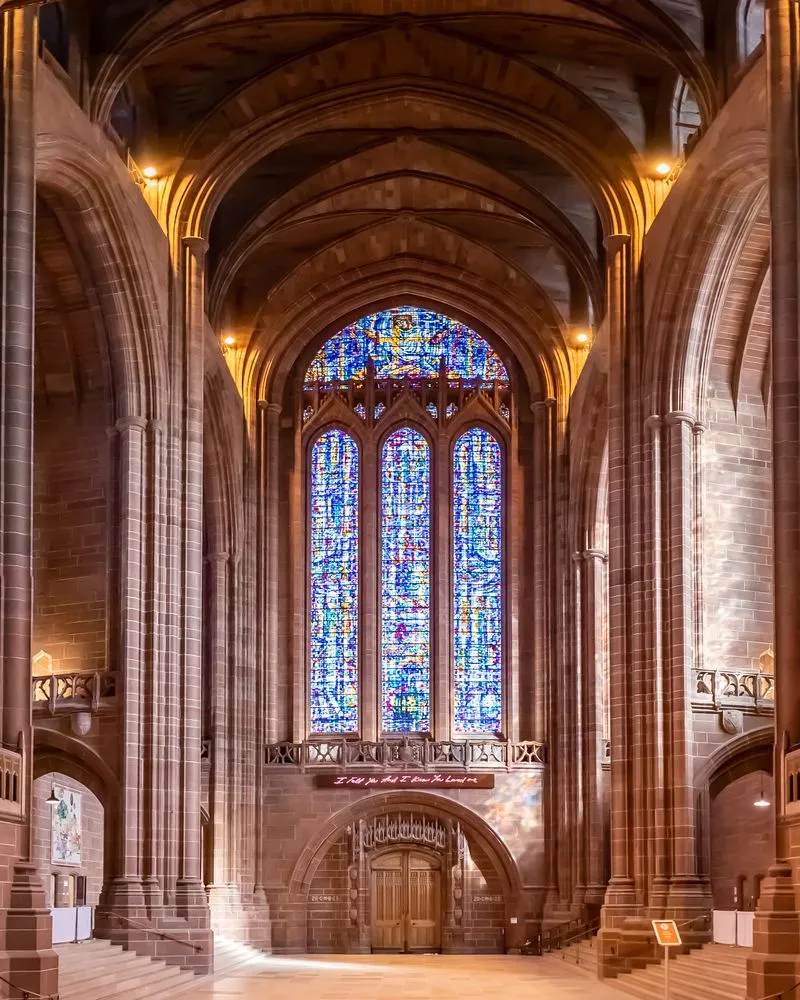
Liverpool Cathedral, Liverpool
At Liverpool Cathedral, Lumenata was tasked with developing a lighting solution capable of illuminating the cathedral floor from a height of approximately 35 metres. The project required high-performance LED lighting that could deliver sufficient light levels while closely matching the warm hue of the original sodium fittings to preserve the familiar atmosphere of the space. In addition, the scheme incorporated dimming capability, allowing light levels to be adjusted for different services, events and times of day while maintaining visual comfort and respect for the building’s historic character.
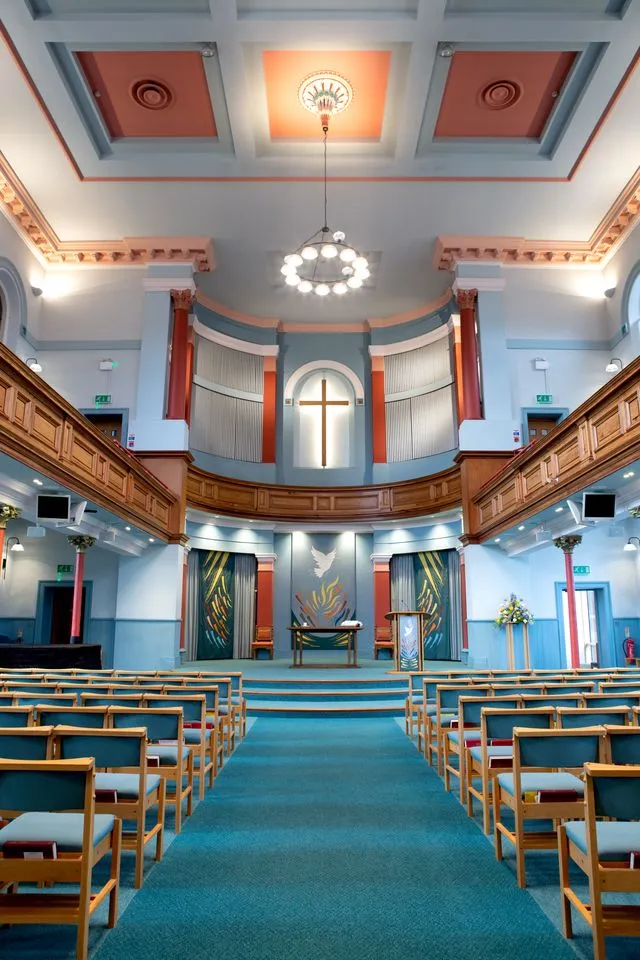
Penrith Methodist Church, Penrith
At Penrith Methodist Church, Lumenata redesigned the existing lighting using modern, dimmable LED technology to improve light quality, efficiency and flexibility. The project included the introduction of an intuitive lighting control system, allowing the church to easily recall different lighting scenes for services, events and community use. The result is a versatile, energy-efficient lighting scheme that enhances the worship space while supporting the varied ways the building is used.
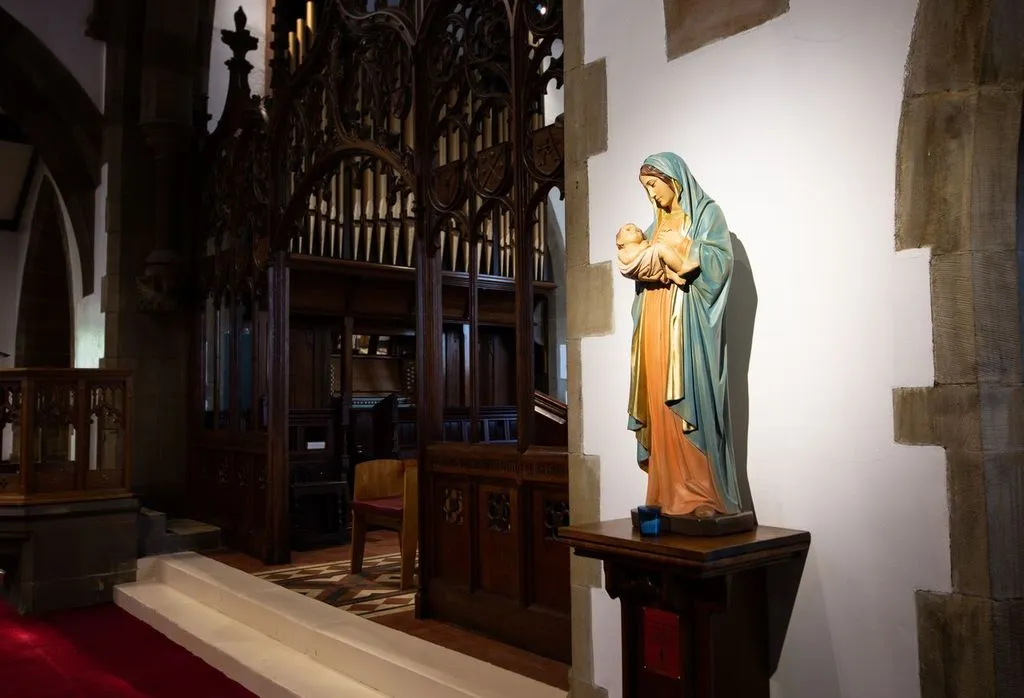
St Peter and St Paul Church, Rishton
At St Peter and St Paul Church in Rishton, Lancashire, Lumenata delivered a sensitive lighting redesign using dimmable LED technology to improve visual comfort and energy efficiency. The scheme included a simple, user-friendly lighting control system that allows different scenes to be set for services, ceremonies and community events. This flexible approach ensures the lighting can adapt to the church’s varied uses while respecting the character and atmosphere of the historic building.
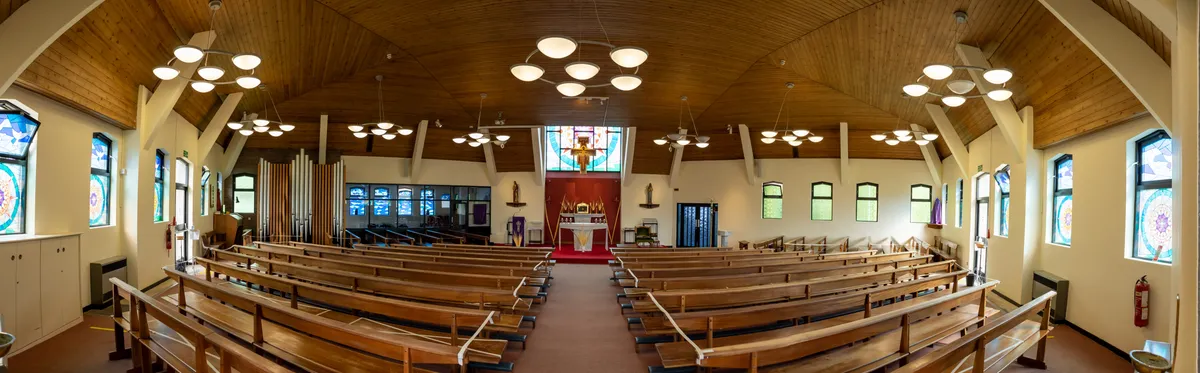
St Clare’s Church, Fulwood, Preston
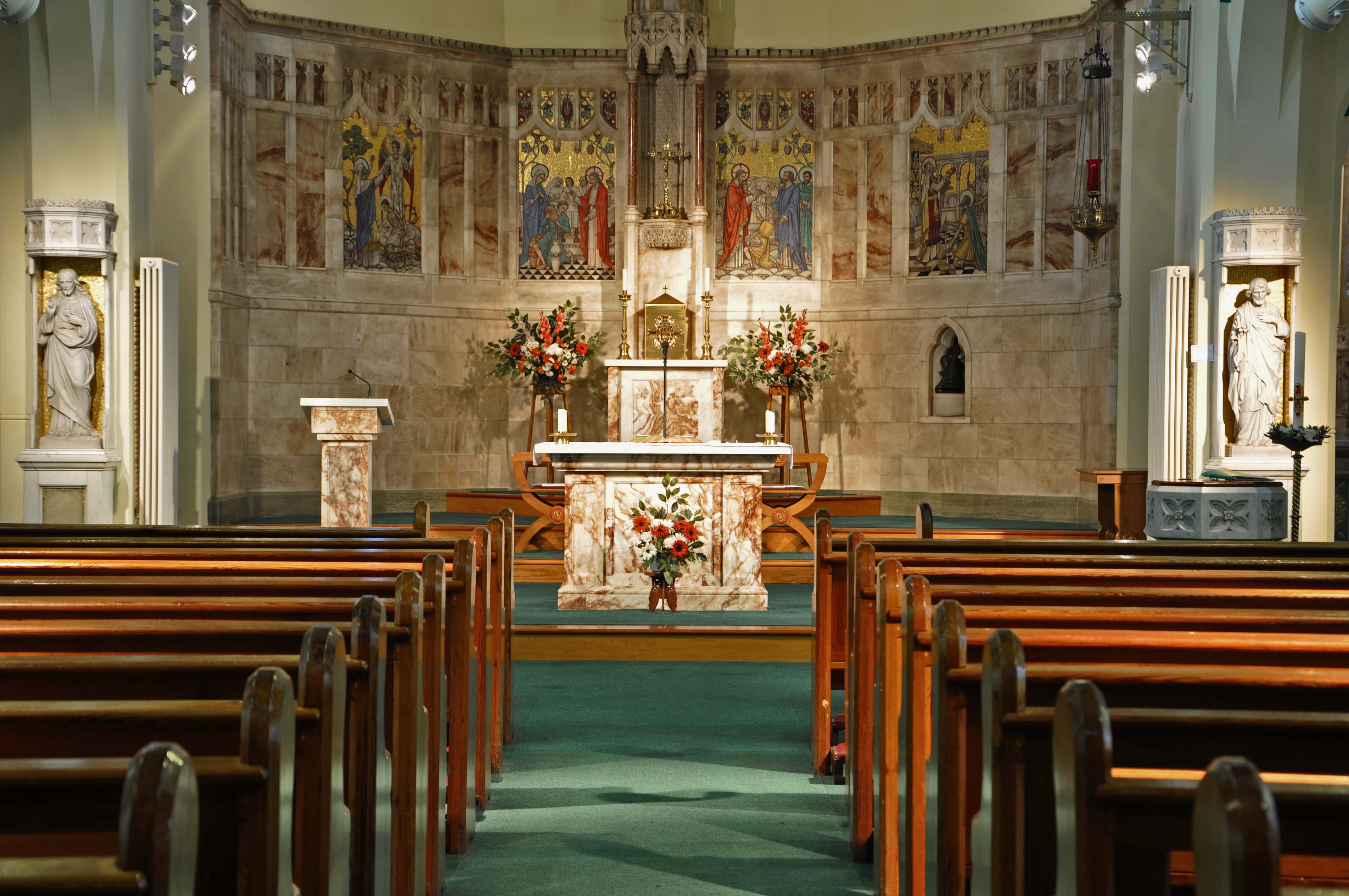
At St Clare’s Church in Fulwood, Lumenata designed and installed a bespoke LED lighting solution to improve the quality, efficiency and flexibility of the church’s lighting. The upgrade replaced the existing system with energy-efficient LED technology, creating a brighter and more welcoming environment while being designed to reduce energy consumption and long-term maintenance requirements.
St Marie's Church, Wigan
At St Marie’s Church in Wigan, Lumenata delivered a tailored LED lighting solution designed to enhance the appearance, functionality and atmosphere of the worship space. The upgrade improved light quality and flexibility while being designed to reduce energy consumption and long-term maintenance requirements.
Ulverston Methodist Church, Ulverston
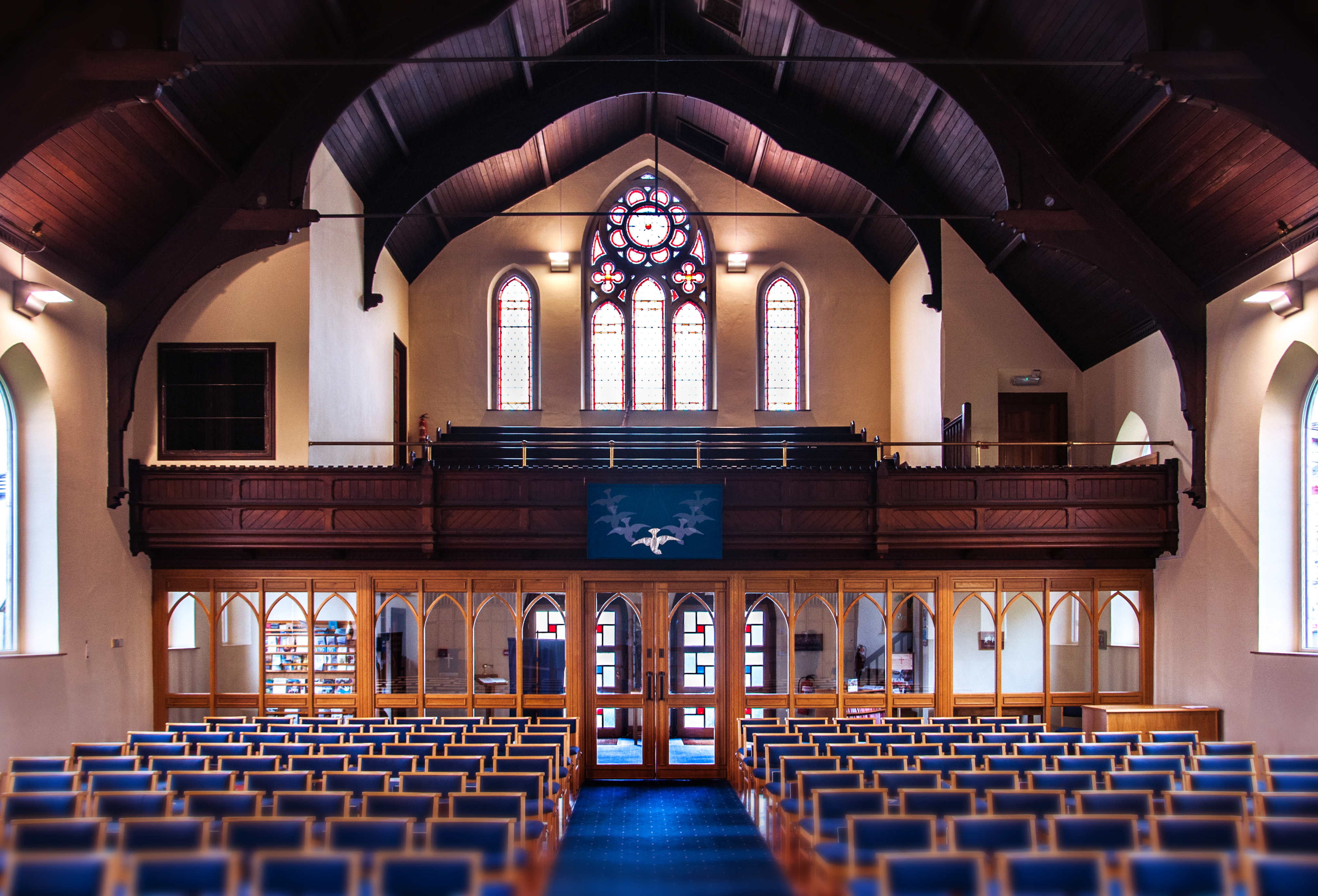
Ulverston Methodist Church marked Lumenata's first church lighting project, laying the foundation for our experience in designing lighting solutions for places of worship. The project involved upgrading the existing lighting with modern lighting technology to improve brightness, energy efficiency, and the overall atmosphere of the church while respecting the character of the historic building.
Every heritage project demonstrates our commitment to delivering lighting that balances architectural sensitivity, conservation requirements and modern technical performance.
Partner with Lumenata on Your Next Heritage Lighting Project
If you are planning a heritage or listed-building project, Lumenata can provide lighting design guidance from the initial concept through to project delivery. Our sensitive, collaborative approach develops practical lighting solutions that respect historic character while responding to modern performance, operational and technical requirements.
Contact our team to discuss your heritage lighting project and discover how our expertise can help you enhance and preserve historic spaces.
Get In Touch

"Light creates ambience and the feel of a place, as well as the expression of structure"
- Le Corbusier


Copyright 2026 Lumenata Design Services Limited. All rights reserved